
Healing the Father Wound Without Becoming a Victim
When Father-Wounds Surface

My last essay, Fathers Everywhere—But None Good Enough for Me, was something of a rebuke to entitled sons. In the past week, I have been in contact with several good men who are wrestling with the ideas in it.
Some men have tried to apply some of the ideas with their own family, and have run into drama.
Some men have simply been so triggered by the ideas that just reading it has caused a lot of emotional turmoil in themself.
Yes. Family relationships are messy and good intentions alone are not enough to ensure good results.
So with this essay, I will try and communicate some of the further insights I have had into this kind of father wound through speaking to these guys.
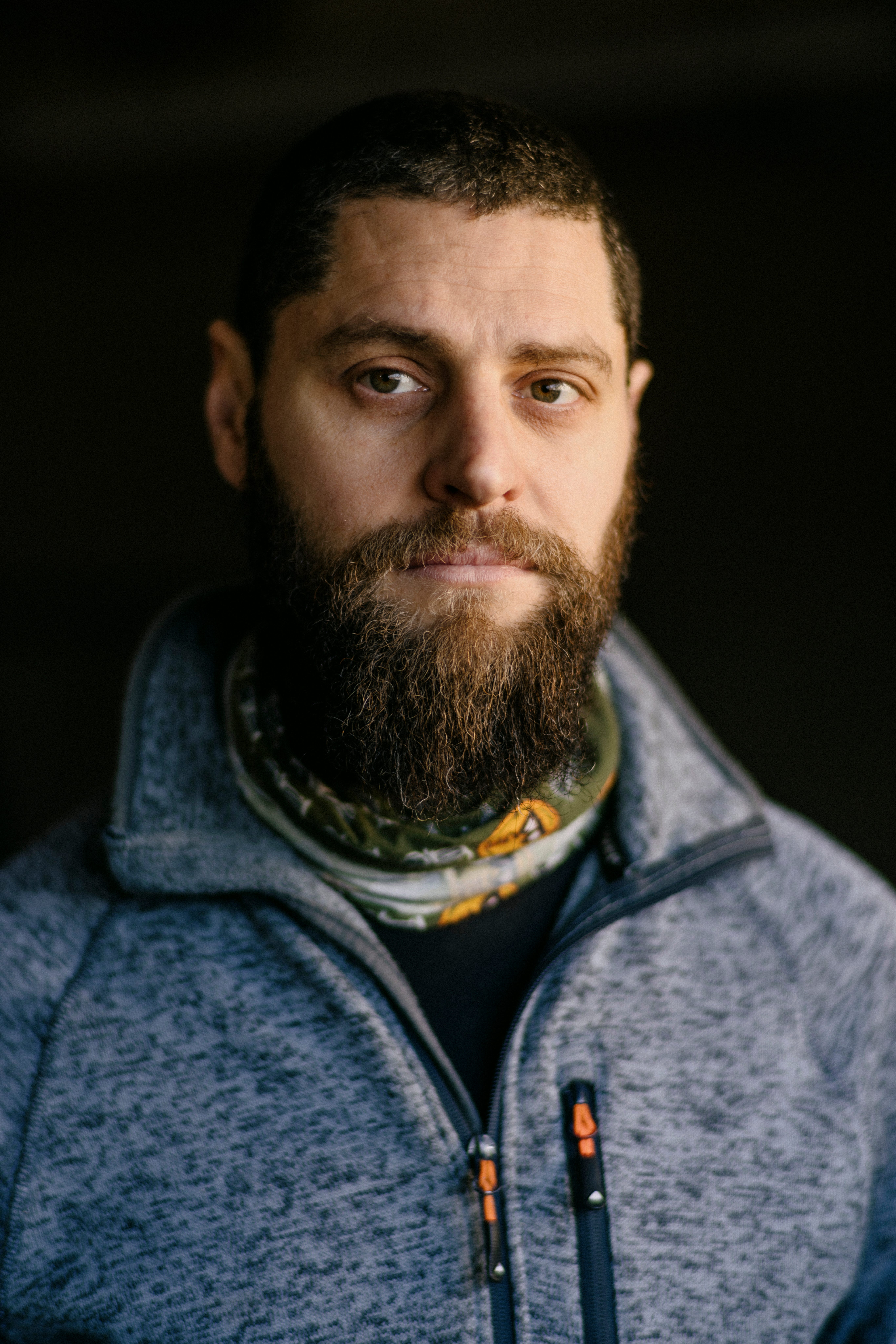
Let me start with me sharing some of my story.
My Long Detour Around Fatherhood
For most of my life, I ran from my father—and from every father figure. I distrusted masculine authority and imagined myself self-sufficient.
It was only in my 30s that I realised that I had hit a loft in my own growth, and that older men as mentors had a lot to give me.
The first father figure I took into my life gave me confidence, direction and a deep sense of purpose that I had been lacking. But he also showed up my lack of discernment. Behind the mask of wisdom and slick confidence, he wanted to give me drugs and try to seduce me.
A painful lesson: not every “mentor” is a father.
My next “father figure” was Jordan Peterson—better, but still distant and imperfect, especially as an online avatar, as I wrote about in my essay, The Fall of the Prophet.
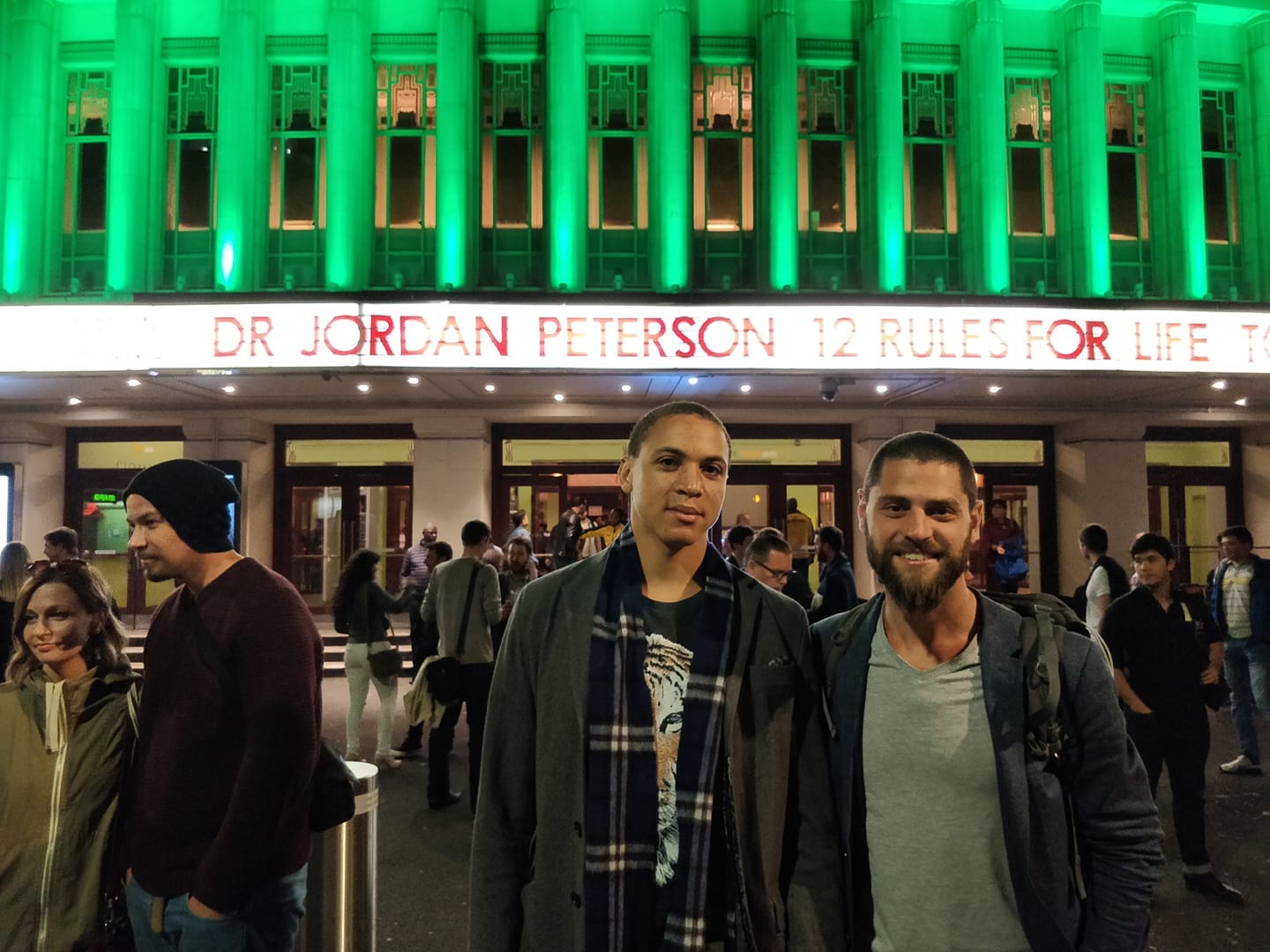
From there I began to speak more deeply with my own father, as I wrote about in Sonship: From Rebellion to Respect.
Later came Jonathan Pageau, whom I had the privilege of getting to know very well through his visits to Denmark. His example was more grounded, more real, but still too abstract.
Today my wife and I have a spiritual father—our parish priest—who takes responsibility for our souls and lives with such love that I regularly see it shining in his eyes. This has become the very foundation of not just my life, but my whole family’s existence.
What Healing Actually Requires
So what does the actual practical work look like with sons and fathers?
In my last essay, we spoke about the fact that a father is there to bring a son into contact with the harsh realities of existence. In that light, the fact that our fathers are flawed is actually useful.
A coddled man collapses at the first injustice. A man who expects life to be unfair—and still holds focus on his mission, acting responsibly—can face anything.
This is why learning obedience to one’s father matters. Not blind obedience, but sober acceptance that authority above me is part of reality.
Yet many men come from profoundly dysfunctional families. These patterns often stretch across generations. They do not get fixed because we read one essay or have one conversation.
Why Sons Need Boundaries, Not Crusades
For many sons, the first task is establishing boundaries—not rebelliously, but prudently.
Obedience should not be extended to doing anything sinful or harmful. You remain fully responsible for your own actions before God.
Be careful about trying to “fix” your family. The most dysfunctional sons are those actively trying to heal their parents. The only person you can fix is yourself.
If you notice yourself seeking recognition, acknowledgement, or an apology from a parent—stop. You’re likely making things worse.
When trying to connect with fathers or authority figures, we often get triggered. We lose peace, take offense, and fall into old patterns. What began as connection becomes drama.
So, this is where boundaries matter. You need to protect the fragile peace in your heart that allows for genuine growth.
If reaching out isn’t bringing peace and harmony, step back. Shorten visits. Limit certain conversations. If you want to leave a family event early, you probably should.
You may not yet have the strength to sort everything out—and that’s okay. Seeing dysfunctional patterns doesn’t make it your mission to fix them.
Your task is not to fix your father, but to learn from him what you can—and entrust the rest to God.
The Battle Inside the Heart
We imagine healing will come when others finally understand us or apologise. That is a lie whispered by our pride: “If everyone else just sees the world in the exact same way as me, then everything will be ok.”
The truth is that real change happens internally.
St Maximus the Confessor teaches: “The one who harbors resentment is like a man who drinks poison and expects another to die.

”
When you stop rehearsing judgement, your agency returns. Boundaries give you breathing room. Within that space, your heart can begin to soften.
Vulnerability in Order, Not Exhibitionism
Modern culture preaches vulnerability everywhere, usually as emotional exhibitionism. Men are encouraged to splash their unprocessed emotions onto whoever will listen. This creates instability and drama, not strength.
True vulnerability is different. It is not self-display. It is admitting weakness to someone with authority, experience, and responsibility for your soul.
The son who can say, “I am afraid and unsure—guide me,” in the right trusted setting with a man who can handle it in the right way has begun to grow in humility. But vulnerability outside the context of order quickly becomes a mess.
Receiving a Lineage—and Carrying It Forward
A son must also accept responsibility. Obedience does not excuse failure. You must seek the right advice, invest yourself in the outcome of your decisions and refuse to blame your father when life doesn’t give you what you want.
To be a son is to receive a lineage. You inherit what is good and carry it forward. No man gets everything he needs from his own father right from the start. So he will need to go out in to the world and find the missing parts his own dad lacked.
But then he should integrate what he has learnt again back into himself, not rejecting his father and thinking he can “reinvent” himself from scratch.
A man who is faithful to his father’s tradition will eventually become a trustworthy father himself.
When Fathers Fail: The Path That Still Leads Upward
Many men can carry deep pain from childhood. Your father may have mild failings or be a complete failure—an addict, mentally broken, even suicidal. Violence and abuse are unfortunate realities. But seeing yourself as victim and making yourself judge of your father leads nowhere good. Accepting where you started and taking responsibility to grow is the path to manliness.
Judging our fathers has a spiritual cost. It casts us as righteous victims, which is a lie.
Christ does not command us to admire our fathers—He commands us to honour them. There is a difference.
Irrespective of pain experienced, you received the greatest gift from your father—your life.
If you accept your lot as a son to your father, you pick up your cross—much of which you inherit from him—and continue struggling upward as he attempted to do.
I want to reassure you that the pain of a bad or missing father can be healed. The path involves immersing yourself in community built around shared principles, a church. What was broken in relationship must be healed in relationship. St Silouan the Athonite tells us: “Grace proceeds from brotherly love, and by brotherly love grace is preserved.”
You may reconcile with your biological father; you may not. But you can still heal through the presence of other men who bear Christ’s love.
Becoming Like Children Again
This path runs directly against modern culture, which sees rebellion as virtue and tradition as oppression. But growing as a son requires childlike trust—not childish naivety, but foundational faith.
Faith grows in small amounts—like a mustard seed. It’s not blind trust against evidence. It’s “the substance of things hoped for, the evidence of things not seen“ (St. Paul). Christian faith provides solid foundation in deeper truth, tried and tested through ages, not passing trends. It is as Christ told us to be, “as wise as serpents and as innocent as doves”.
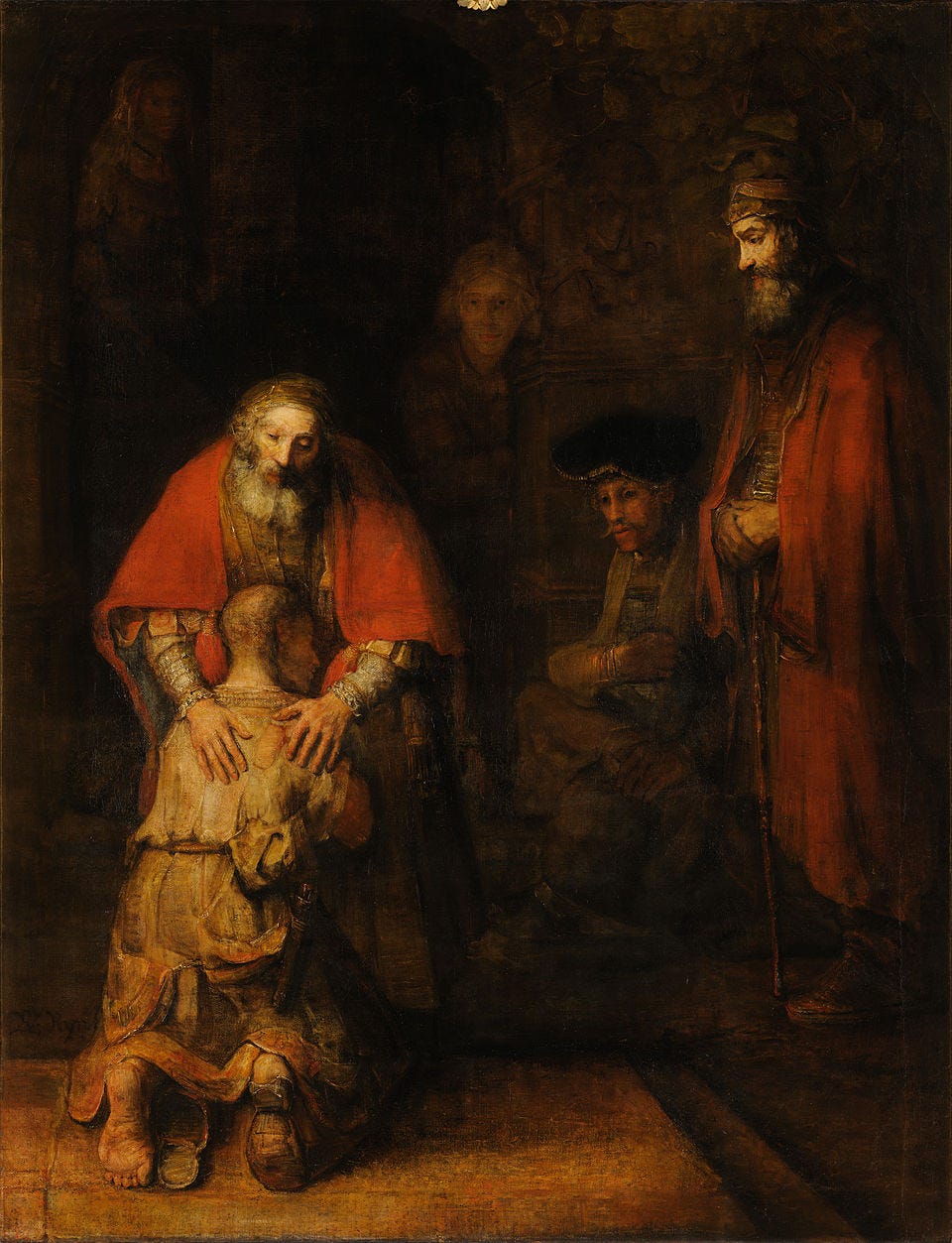
We are not asked to obey tyrants. But we are told to reorient ourselves toward tradition, authority, and reverence—virtues that modern men lack precisely because they rejected their fathers.
This positions us as “little children” before God. Small children trust because they must rely on their parents’ wisdom. May God give us the grace to become like those children.
Six Principles for Christian Sonship
So, to complete this, I want to suggest some practical and down to earth rules for sons:
Firstly, it is important to underline that honouring your parents is a fundamental spiritual law. Alongside theft and murder, this is a boundary which has consequences if it is not held.
But what does this mean? Here are six rules that I want to propose:
Do not put yourself above your parents
—This means no teaching, correcting, or guiding your parents unless they themselves ask for it.
Stop judgement of your parents in words or thoughts
—Instead try to understand and make excuses for them. Replace repetitive judgemental thoughts with prayer.
Seek peace, not acknowledgement
—Harmony is the most important in the family, so avoid escalation; withdraw when needed.
Bear their weaknesses with patience
—Remember their age and how you were completely dependent on then as a helpless child.
Offer small, concrete acts of love
—Kindness softens your own heart.
Understand and preserve the good in your lineage
—Nurture your inheritance so it may become fruitful rather than rejecting it.
If you enjoyed this article, please consider subscribing. And if you would like to hear more about the work that I do, then check out the web site, www.pathofmanliness.com