
A Personal Turning Point
The Day I Gave Up Pretending

This essay is a passage from my book, describing a day that everything changed.
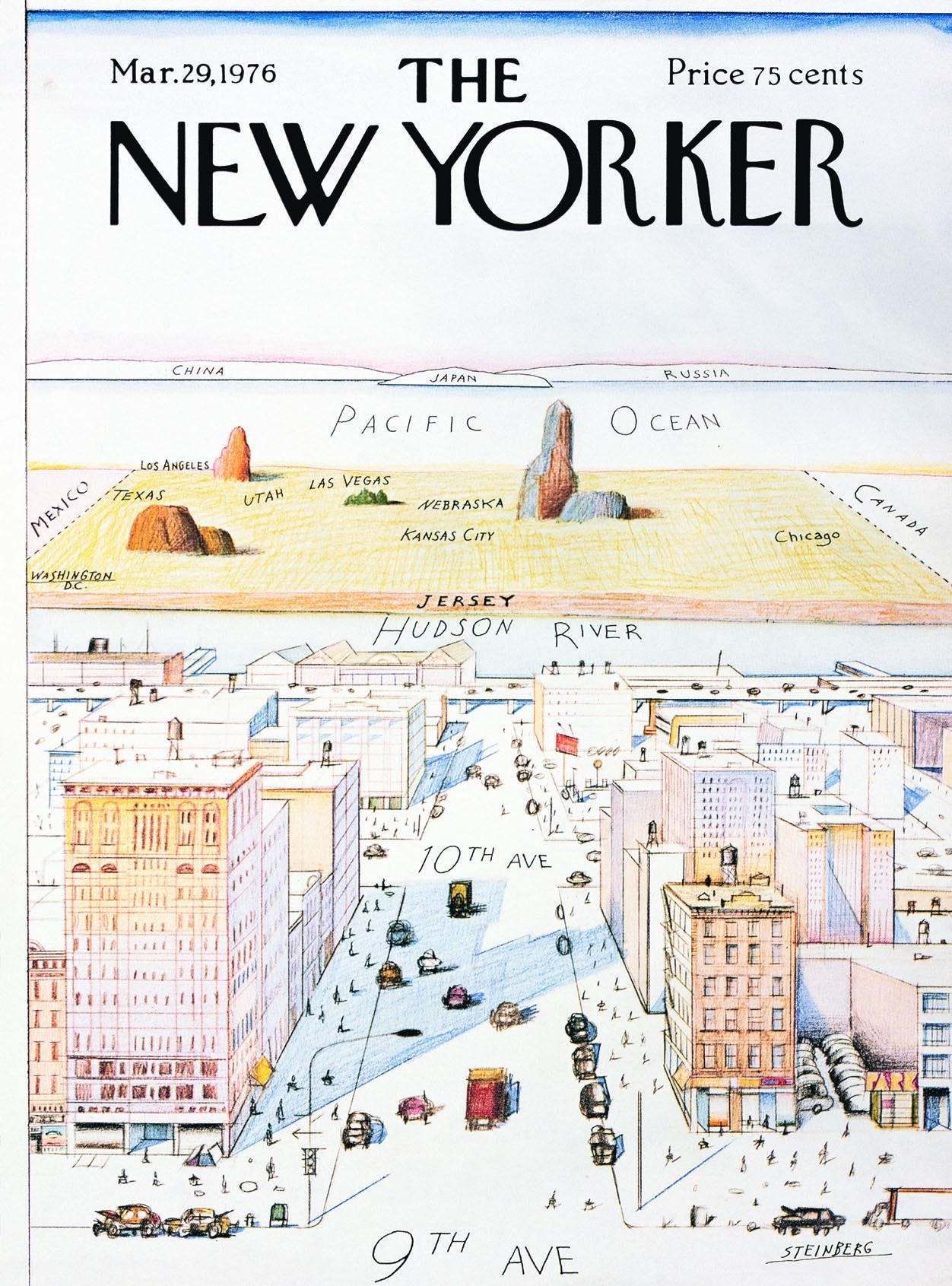
The wheels of my cargo bike rolled smoothly against the slick Copenhagen pavement as I pedaled away from everything I'd built over the last eight years. The late spring wind cut through my jacket, but I barely noticed. In the cargo box up front sat my life's new inventory: a framed New Yorker magazine cover I'd always loved, a novel, Jack Kerouac's On the Road, and a bag of clothes. Nothing else seemed worth taking.
Behind me—growing smaller with each push of the pedals—stood the woman I had believed would be my forever. Her face streaked with tears, her body still frozen in the position where I'd physically pushed her away moments before. My son, just fifteen months old, peered around her leg with eyes that reflected neither understanding nor judgment—just pure, innocent confusion.
"Don't go," she had pleaded, her fingers frantically tearing at my arm and chest as I pushed past her. "We can work through this. Noah needs you."
My voice was cold and distant even to my own ears. "It can't work any more. It's too late."
Truth pricked at my heart: I am judging her for breaking the promise I have already broken.
I turned it away. There was no way through any more. Only out.
Now as I navigated through traffic, my legs pumping harder than necessary, I felt the vertigo of freedom mixed with something darker. Excitement. Shame. Relief. Terror. They swirled together in my stomach like badly mixed paint.
Five years earlier, I had arrived in Denmark with grand plans—the ambitious young man ready to build his empire. Blending my traditional South African upbringing, discipline and personal responsibility with progressive European ideals. I would have the perfect synthesis: strong values without the limitations. Freedom without the rootlessness. I would navigate both worlds effortlessly.
I had long noticed that on the surface, everything seemed fantastic - beautiful home, job as Sustainability Lead for Microsoft. But inside, I increasingly sensed, I'd become trapped, belonging nowhere.
At a red light, I caught my reflection in a shop window. At twenty-five, I stood tall and resolute—my eyes sad, even in some shock, but sharp with determination that matched the decisive energy coursing through my veins. My immature perspective saw a powerful, ambitious young man making the only rational choice available. Without the wisdom of my father, I saw strategic withdrawal, not abandonment. Not disappointment, but necessary independence. Not broken promises, but adaptation to circumstances beyond my control. The world might judge, but I knew the truth: this decision was not weakness but strength. Not escape but advancement. The path forward demanded difficult choices, and I was making them.
The light turned green. I pushed forward.
I had read On the Road the previous summer while traveling across the USA. Now a line from this iconic book echoed in my head and electrified my body, "The only people for me are the mad ones," I whispered as I pedaled, "the ones who are mad to live, mad to talk, mad to be saved, desirous of everything at the same time, the ones who never yawn or say a commonplace thing…”
The words felt like oxygen after years of drowning.
”…but burn, burn, burn like fabulous yellow roman candles exploding like spiders across the stars."
What would my father say if he could see me now? The man who had sacrificed everything for his family and for God, who had built his life around duty and responsibility. Who had taught me that a man's word was his bond. I pushed the thought away—another skill I'd mastered.
Rain began to fall as I reached my friend’s apartment building, where I'd be crashing until I figured out my next move. I locked the bike, grabbed my meager possessions, and stood motionless for a moment, letting the water trace cold fingers down my face.
This was the end of playing roles I'd outgrown. The good Christian boy. The devoted partner. The responsible father. What remained when those identities were stripped away? I didn't know, but the not-knowing felt electric.
I had no map for where I was going. No compass except the restless beating of my heart that whispered: elsewhere, elsewhere, elsewhere.
As I climbed the stairs to Jakob's fourth-floor apartment, I felt like a snake shedding its skin—raw and vulnerable, but somehow more alive than I'd been in years. The shame would come later. The regret would find me too. The consequences would unfold over decades.
But right now, standing at the threshold of Jakob's door, my finger hovering over the buzzer, I was simply a man stepping off a cliff.
Raw and powerful. It resonated. Need more.